Water damage restoration in Colorado Springs
Practical guides for homeowners, with connections to independent local providers.
Practical guides for homeowners, with connections to independent local providers.
Choose the guide that fits what you noticed.
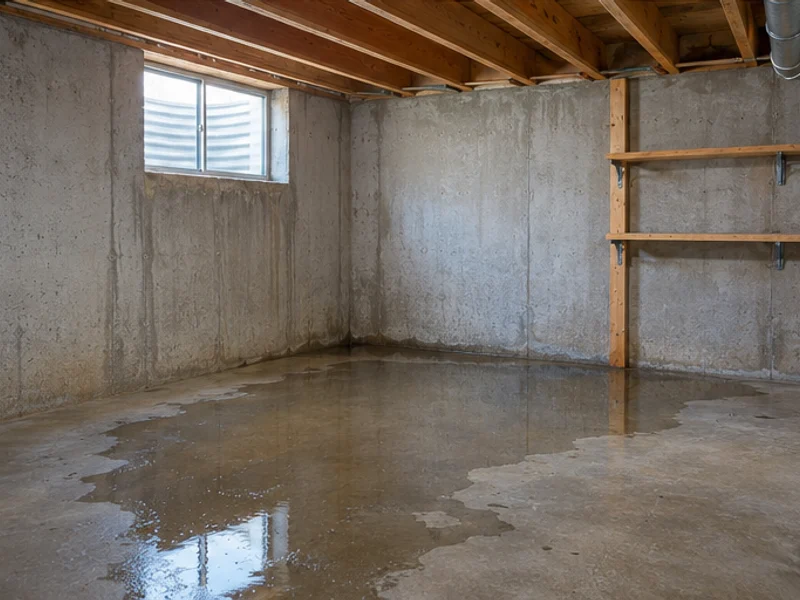
Water on the floor or entering through the foundation.
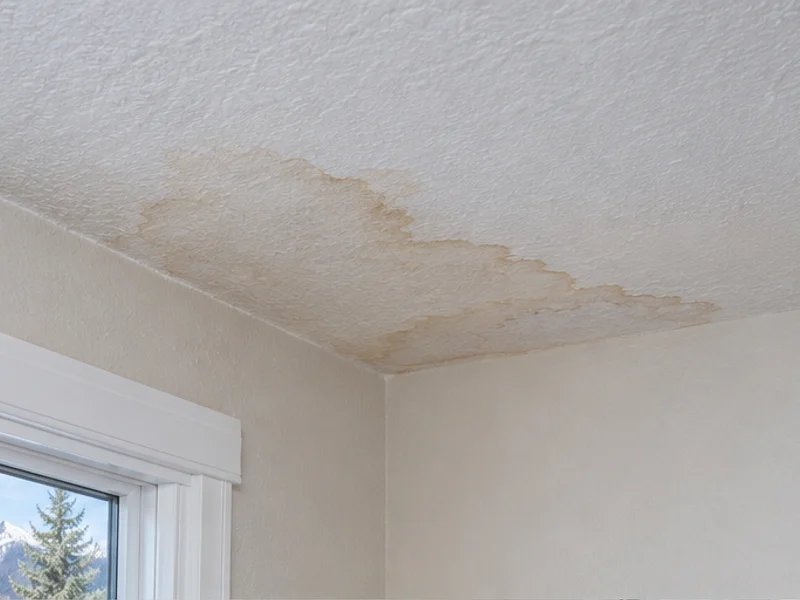
A stain, a drip or water spreading above a room.
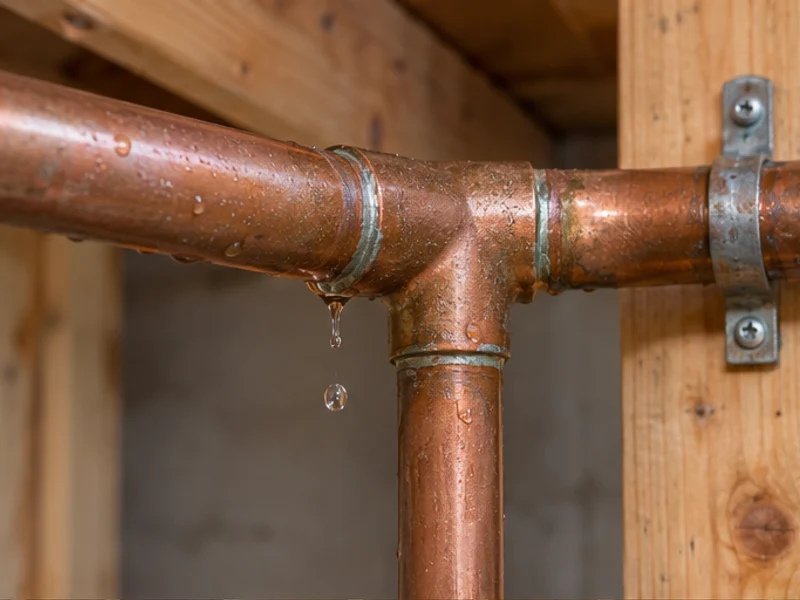
A plumbing leak and the damage left around it.
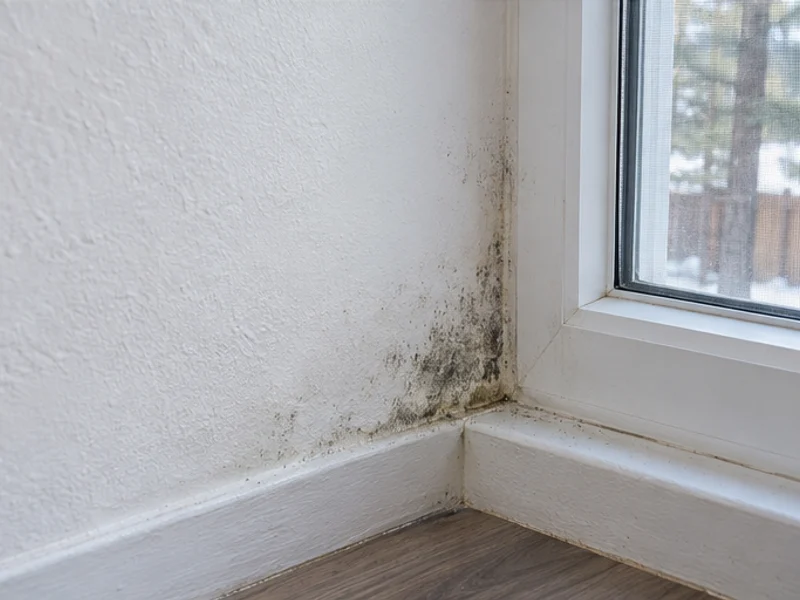
Visible growth or moisture that needs investigation.
Also see water extraction, sewage cleanup, repair after drying or mold inspection.
Start with what you can see. The illustration points to reading, not a diagnosis.
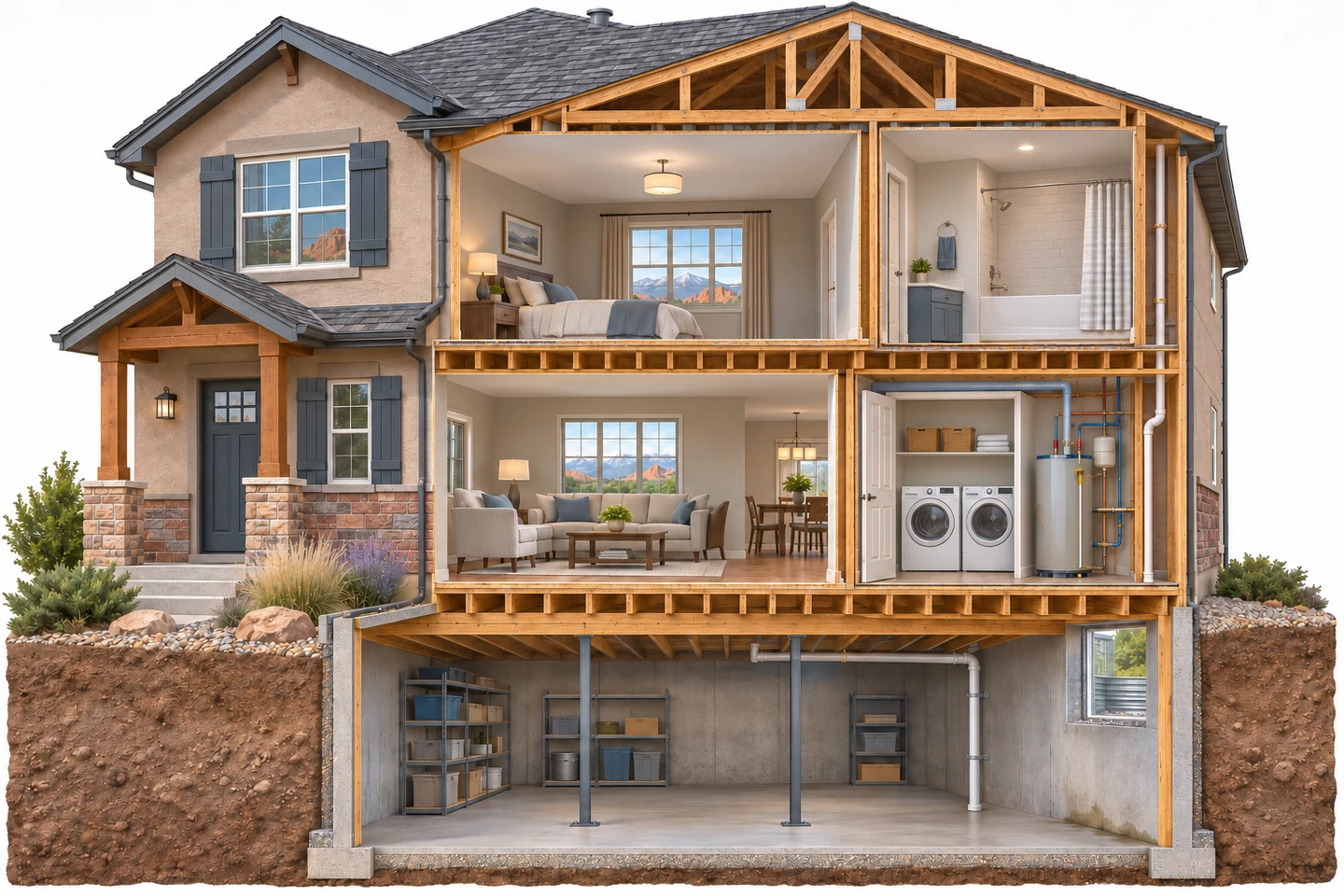
Leaks from fixtures or an appliance can travel into the room below. Start with the extraction guide to understand the next conversation.
Read the guideA stain may appear some distance from its source. Read about ceiling leaks, plumbing above and roof-related water.
Read the guideA plumbing repair and restoration of the wet materials may involve different providers. Learn which questions concern each part.
Read the guideAn appliance overflow can affect the flooring and nearby walls. The guide explains extraction, inspection and drying.
Read the guideWater in the basement can come from a plumbing failure or from outside. Read the guide to prepare questions about the source and affected materials.
Read the guideIllustrative layout. Actual plumbing, materials and water paths vary by home. Observe from a safe location.
Ask what was measured and what is included in the written scope.
A surface can look dry while moisture remains in the materials behind it. Ask which areas were inspected and how the findings will be documented.
Explore inspectThe method and scope depend on where the water came from and what it reached. Ask which materials need removal and which will be assessed for drying.
Explore extractAsk how the drying plan is monitored, how equipment days are billed and where the final readings will be recorded. Appearance alone does not establish that a wall cavity is dry.
Explore dryDrying and rebuilding may be handled by different providers. Ask for the handoff, the materials to be replaced and the agreement covering the repair work.
Explore repairThe sequence and scope depend on the job. This guide does not promise a timetable.
Colorado Springs, nearby communities and the questions that come with water damage.
Woodland Park (9) is in neighboring Teller County. Pins mark communities, not offices. Relief is illustrative; check availability with the provider.
Geography: U.S. Census Bureau, 2023Also listed: Falcon and Colorado Springs neighborhoods. View the full area guide
A burst line in January, a swamp cooler that overflowed in July, a basement that took on water during a monsoon cell over Fountain Creek: the cause changes, the clock does not. Here is what to do first, how restoration is done on the Front Range, and how to reach a provider who works your part of El Paso County.
Updated November 17, 2026
At just over 6,000 feet, the air in Colorado Springs is thin and dry most of the year. That helps: wet surfaces you can see often dry faster here than they would at sea level. It also fools people. A carpet that feels dry on top can sit on a pad that is still soaked, and the bottom two feet of a drywall cavity can stay wet for weeks behind paint that looks fine.
Restoration providers measure rather than guess. Expect a moisture meter on the drywall and subfloor, a thermal camera to trace where water traveled, and readings taken again each day until the materials reach their normal dry level. The standard most of them follow is IICRC S500, which sorts the job by how dirty the water is and how much of the room it reached.
A supply line, a water heater, a frozen pipe that split. If it is caught within a day or two, most materials can be dried in place.
A dishwasher or washing machine overflow, a sump that backed up. Porous items it touched, like carpet pad, usually come out.
Sewage, or creek and surface water that came in from outside. Anything porous it touched is removed, and the area is cleaned and treated before drying.
Clean water left for a few days in a warm room turns into the second category. That is the main reason the first 48 hours matter.
A typical job runs in four stages: inspection and moisture mapping, water extraction, structural drying with air movers and dehumidifiers (usually three to five days, checked daily), and then repair of what had to come out: drywall, baseboard, insulation, flooring. Some companies do all four; others hand the rebuild to a general contractor. Ask which before you sign.
If the job sat for more than a couple of days, or the area smells musty, ask the provider to check for growth behind the wall. That falls under mold removal, a separate job that follows its own standard.
For active water, the goal is someone on site within a few hours, and providers in the area treat it as urgent. The cost of waiting is not linear: drywall and subfloor that are dried within the first day or two can usually stay; after that, more material has to be cut out.
Sudden and accidental water, like a pipe that bursts, is covered by most standard policies. Slow leaks that went on for months, groundwater, and creek flooding usually are not; flooding needs a separate flood policy, and sewer backup often needs an endorsement. Our insurance claims guide goes through it.
Usually not. The equipment is loud and stays on through the night, so a bedroom with air movers in it is hard to sleep in, but most families stay home. Sewage jobs are the exception until cleanup of the affected area is done.
Phone referrals are not currently available through this site. Use the situation guides to prepare your questions. When a phone option is available, the number will appear clearly on the page.