Flooded basement cleanup in Colorado Springs
Many houses in Colorado Springs sit on clay that swells when wet. Add a summer cloudburst or a sump pump that quit, and water finds the basement. Here is how it gets in and how it gets out.
Updated November 17, 2026
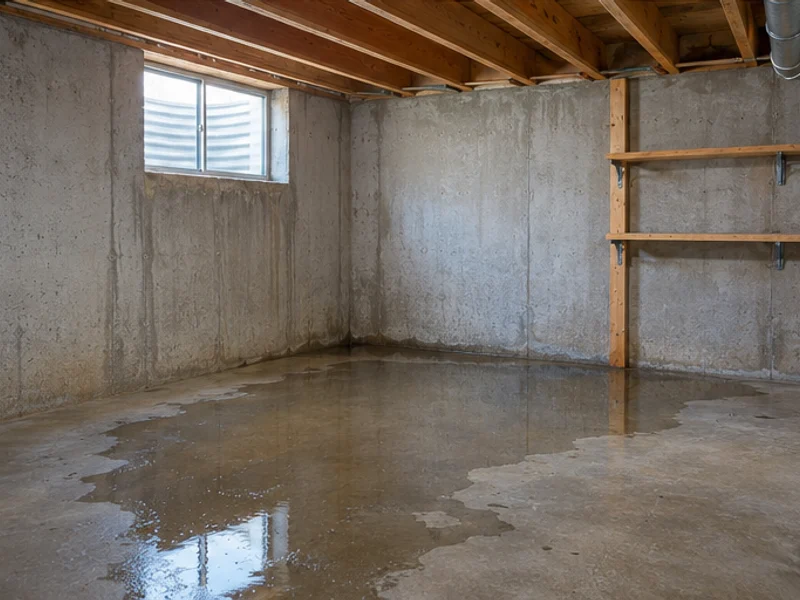
Four ways water gets into a basement here
Through the soil
Expansive bentonite clay pushes on walls and floors as it swells. Hairline cracks open over the years, and after heavy rain water seeps through them.
Over the top
Window wells without covers fill during a summer storm and pour in through the window. A clogged gutter that dumps next to the foundation does the same.
From below
A sump pump that loses power or burns out. Houses with a perimeter drain depend on it more than their owners realize.
From inside
A water heater whose tank finally rusts through, a washing machine hose, or a frozen line in an unheated corner.
Pump, clean, dry: in that order
- Power off to the basement if water is near outlets or the furnace.
- Pump the standing water, in stages if the soil outside is saturated.
- Sort what can be saved. Boxes, carpet pad and anything paper usually go. If the water came from outside, treat it as dirty water.
- Open the walls where they are finished: baseboard off, flood cut if the cavity is insulated.
- Dry with dehumidifiers and air movers until the readings are back to normal. Basements are cool, which slows drying, so expect the long end of the range.
Before the next storm
- Extend downspouts well away from the foundation and keep soil sloping away from the house.
- Cover window wells, or at least clear the gravel at the bottom so they drain.
- Test the sump pump by pouring a bucket into the pit. A battery backup is worth it in areas that lose power during storms.
- Ask whether your policy covers sump overflow and sewer backup. It is often a separate endorsement. See the insurance guide.
Questions people ask
Is a flooded basement covered by insurance?
It depends on the source. A burst pipe or water heater is usually covered. Groundwater seeping through the foundation usually is not. Surface water from a storm is flood, which needs a flood policy. Sump and sewer backup often need an endorsement.
Should I run a dehumidifier myself?
For a damp basement, yes. After a real flood, a household unit is too small; restoration dehumidifiers remove many times more water per day, and the job is sized by readings, not by feel.
Why does my basement smell musty weeks later?
Something did not dry: usually insulation behind finished walls, carpet pad, or the bottom plate of the framing. A moisture meter will find it. If growth is visible, see mold removal.