Sewage backup cleanup
Sewage is the dirtiest category of water. Unlike a clean pipe leak, almost nothing porous it touches can be dried and kept. This is the one water job that is not a do-it-yourself project.
Updated November 17, 2026
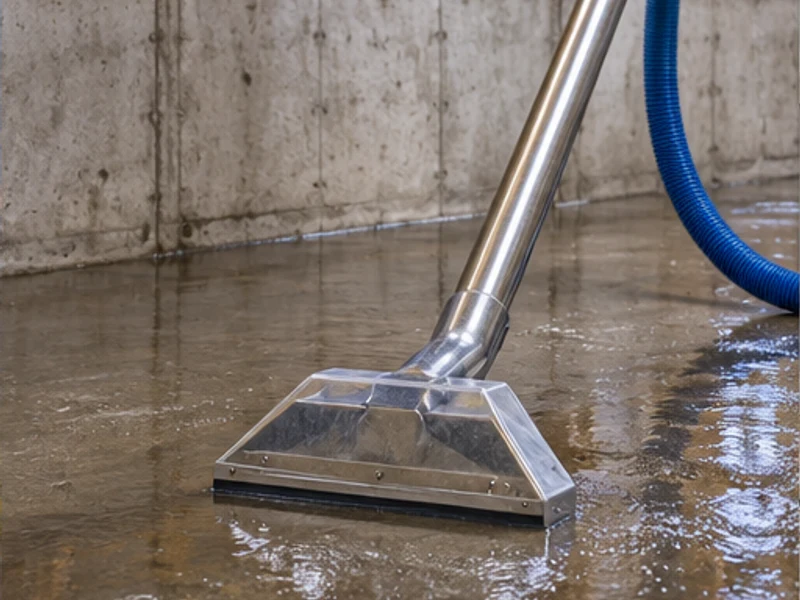
Why it backs up
- Roots or a collapsed section in the lateral between your house and the city main. That line is the homeowner's responsibility.
- Grease and wipes building up over time.
- Heavy rain overloading lines, pushing water back up through the first drain it reaches, usually a basement floor drain.
A plumber with a camera can tell you which one it was. If the main itself is the problem, Colorado Springs Utilities handles the city side.
What cleanup involves
- Stop using water in the house: no flushing, no laundry, no dishwasher.
- Keep children and pets out of the area.
- The provider removes standing water and all porous materials it touched: carpet, pad, drywall below the line, insulation, cardboard.
- Hard surfaces are cleaned and disinfected.
- The area is dried and checked before any rebuild.
Insurance note
Sewer backup is excluded from many standard homeowners policies unless you added a water backup endorsement. If you have finished space in a basement, it is worth checking before you need it. See the insurance guide.
Questions people ask
Can I clean up a small sewage backup myself?
A small overflow on a tile floor, cleaned up right away with gloves and disinfectant, many people do. Anything that reached carpet, drywall or a large area should be handled by a provider.
Who pays when the city sewer backs up?
It depends on where the blockage was. Your own lateral is your responsibility. If the city main was blocked, you can file a claim with the city, but coverage is not automatic, so also check your own policy.