Mold inspection and testing
Testing answers specific questions. It is worth paying for when you have one of those questions and a waste when you do not.
Updated November 17, 2026
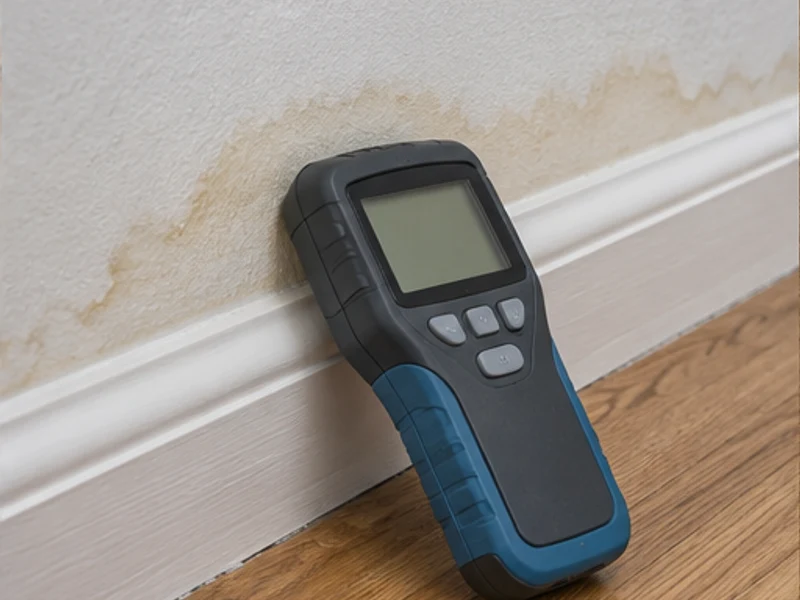
When testing is worth it
- You smell mold but cannot find it. An inspector with a moisture meter and a thermal camera often finds the wet wall before any sample is taken.
- Buying or selling a house, especially one with a finished basement or a past water claim.
- After remediation, to show the area is back to normal. Use someone independent of the company that did the work.
- A dispute with a landlord, seller or insurer, where documentation matters.
What the samples are
Air samples
Compare the spore count inside with a sample taken outdoors during the same visit. Inside should be similar or lower.
Surface samples
A tape lift or swab from a stain, to confirm it is mold and not dirt or soot.
Wall cavity samples
Taken through a small hole when growth is suspected inside a wall.
Results come back from a lab, typically in a few days. What matters is less the name of the species than whether the counts inside are out of line with outside, and where the moisture is coming from.
What to ask before you book
- Will you do a moisture survey, or only take samples?
- Do you also do remediation? If so, consider an independent inspector instead.
- Which lab analyzes the samples, and will I get the full lab report?
If growth is already visible and larger than a few square feet, skip straight to mold removal.
Questions people ask
Are home mold test kits reliable?
Settle plates from a hardware store will grow something in nearly every home, because spores are everywhere. They cannot tell you whether the level is abnormal, which is the only question that matters.
How long does a mold inspection take?
For a typical house, an hour or two on site. Lab results follow in a few business days.