Water damage repair in Colorado Springs
Drying stops the damage. Repair puts the room back. This page covers the second half of the job: what gets cut out, what gets replaced, and the decisions that make a rebuild drag on for months if nobody makes them early.
Updated November 17, 2026
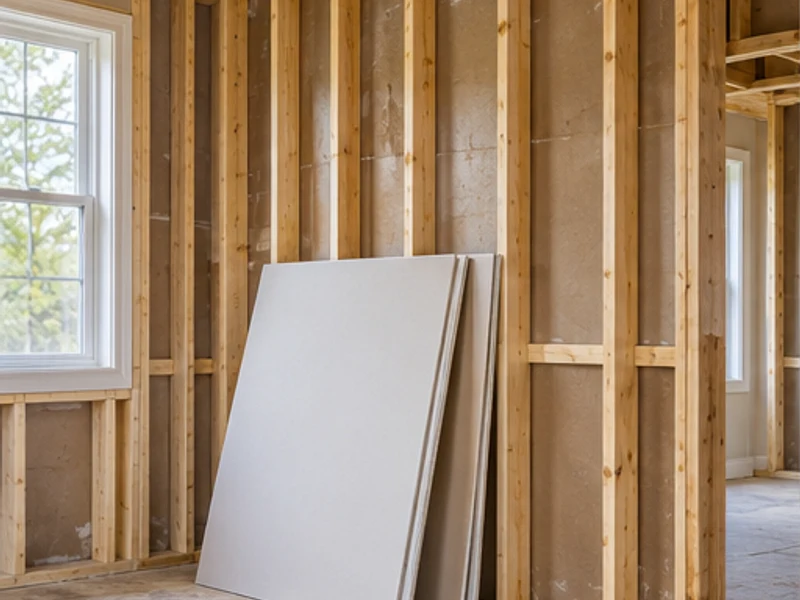
Restoration first, repair second
A good repair starts with a dry structure. If drywall is hung over studs that still read wet, the new wall will grow mold from the inside and the paint will blister. Before any rebuild, ask for the final moisture readings from the drying crew. They should show the framing and subfloor back to the normal level for that material, which in a dry climate like ours is lower than most people expect.
What usually has to come out
| Material | Clean water, caught early | Dirty water or long exposure |
|---|---|---|
| Drywall | Often dried in place; a flood cut 2 ft up if the cavity is insulated | Cut above the waterline and replaced |
| Insulation (batts) | Removed if wet; it does not dry well in the wall | Removed |
| Carpet | Can often be dried and relaid | Removed |
| Carpet pad | Usually replaced; it is cheap and holds water | Removed |
| Laminate flooring | Usually swells at the seams and is replaced | Removed |
| Solid hardwood | Can often be dried with mats, then sanded | Case by case |
| Cabinet bases | Particleboard toe kicks swell; often replaced | Replaced |
The decisions that slow a rebuild
- Matching flooring. If the damaged laminate or LVP is discontinued, the insurer may only pay for the affected room while you want the floor continuous. Settle that early.
- Who does the rebuild. Some restoration companies rebuild; others hand off to a contractor. A gap of weeks between the two is common if nobody schedules it during drying.
- Permits. Replacing drywall usually does not need one. Moving plumbing, electrical work behind the wall, or structural framing repairs can. In Colorado Springs and most of El Paso County, permits run through the Pikes Peak Regional Building Department.
- Paint and texture. Matching an orange-peel or knockdown texture on a patched wall takes a skilled hand. Ask to see a sample patch before the whole room is done.
Ceilings, a special case
Water from above (a bathroom, a roof leak, a swamp cooler) pools on top of ceiling drywall until it sags. A sagging ceiling can let go all at once with gallons behind it. If you see a bulge, put a bucket under it and poke a small hole at the low point to let the water out in a controlled way, then keep people out from under it.
Questions people ask
How long does water damage repair take?
Drying usually takes three to five days. The rebuild after that is more variable: a single room of drywall and paint can be done in a week, while flooring, cabinets and permits can stretch it to several weeks.
Can I do the repair myself and let a company do only the drying?
Yes, many homeowners do. Ask your insurer first whether they will pay you for the labor, and keep the final moisture readings, since they show the structure was dry when you closed it up.
Is a flood cut always needed?
No. A flood cut, removing the bottom 2 to 4 feet of drywall, is used when the wall cavity is insulated or the water was dirty. For clean water caught early on an uninsulated interior wall, drying in place with small holes behind the baseboard often works.